






Commercial rubbish rules permits and fines Islington
Posted on 18/08/2026
Commercial rubbish rules permits and fines Islington: a practical guide for businesses
If you run a shop, cafe, office, salon, studio, bar, or workshop in Islington, commercial waste can become one of those annoying little problems that grows teeth if you ignore it. The rules are not there just to make life awkward. They exist because rubbish on pavements, missed collections, and badly managed business waste create real issues for streets, neighbours, and the council. In plain English: if your business produces waste, you need to know what Islington expects, when a permit may be needed, and what can trigger fines. This guide breaks down Commercial rubbish rules permits and fines Islington in a way that is useful, local, and hopefully less painful than trawling through official wording on a grey Monday morning.
We will cover how the system works, who needs to pay attention, where businesses usually slip up, and how to stay on the safe side without overcomplicating it. If you need broader context on services, it can also help to look at our services overview and the wider rubbish removal in Islington options available to local businesses.
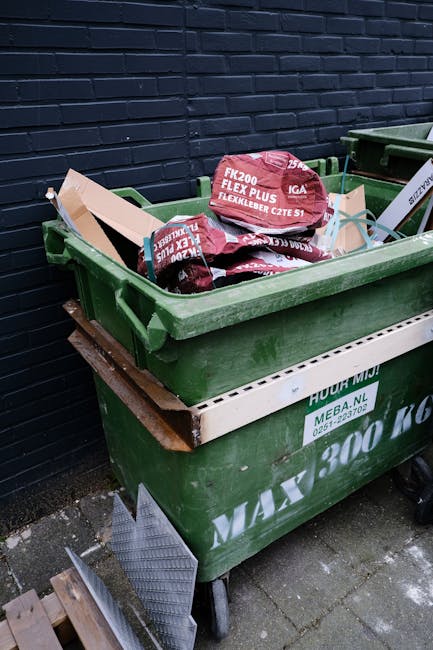
Why Commercial rubbish rules permits and fines Islington Matters
Commercial waste is not the same as household rubbish. That sounds obvious, but in practice people mix the two all the time. A business bin left out too early, bags placed beside the wrong container, or bulky waste dumped on the pavement can quickly turn into a compliance problem. In Islington, that matters because streets are busy, collection routes are tight, and space is at a premium. A small mistake can be visible to passers-by within minutes. You know how it is on Upper Street at lunchtime: one wrong pile of boxes and the whole frontage looks messy.
The main reason this topic matters is simple. If your business is not handling waste properly, you can face enforcement action, reputational damage, extra clean-up costs, and avoidable disruption. For a shop, that may mean the front entrance looks unprofessional. For an office, it may mean blocked access or complaints from neighbouring occupiers. For hospitality venues, poor waste handling can affect hygiene, service flow, and how customers perceive the business. It is not just about fines. It is about keeping operations smooth.
There is also a practical angle. Good waste management often saves time. Clear collection routines reduce last-minute panic, staff confusion, and emergency clear-outs. If you have ever watched a delivery slot collide with a rubbish pile and a missed pickup on the same wet Wednesday afternoon, you will know why planning matters. A bit of structure goes a long way.
Expert summary: If your business creates rubbish in Islington, treat waste handling as an operational task, not an afterthought. The safest approach is always to know what counts as commercial waste, who is responsible for it, and whether a permit or special arrangement is needed before anything goes outside.
How Commercial rubbish rules permits and fines Islington Works
The basic principle is straightforward: businesses are responsible for their own commercial waste, and it must be stored, presented, collected, and transported correctly. In most cases, the process starts with sorting and separating materials, then arranging legal collection, then making sure nothing is placed where it should not be. That includes pavements, shared entrances, loading bays, and public highway space unless proper permission is in place.
Permits come into play when waste handling needs to use public space or when a vehicle, skip, or container is likely to affect roads, parking bays, or pedestrian access. The exact permission needed depends on the setup. For example, a commercial skip on the street is a different issue from a routine business bin collection. Likewise, a van stopping briefly at a loading point is not the same as occupying a bay for a bulky clear-out. If you are not sure which applies, it is safer to check before you book the job. That little check can save a lot of bother.
Fines usually happen when rules are ignored or when waste is handled in a way the council considers unlawful or negligent. Typical triggers include putting commercial rubbish out without an approved arrangement, obstructing the public highway, fly-tipping, failing to keep waste secure, or using an unlicensed or unsuitable disposal route. Sometimes a business thinks it is being efficient by leaving bags out early. In reality, it is creating an enforcement risk and often an ugly street scene as well.
There is a distinction worth making here. Not every issue becomes an immediate fine. Some problems start as a warning, a request to move items, or a complaint from a neighbour or enforcement officer. But once a pattern starts, the risk rises. Businesses that repeatedly leave waste badly managed are the ones most likely to attract attention. Truth be told, councils tend to notice patterns rather than one-off blips.
If your business generates ongoing waste, it is worth combining compliance with a clean operational routine. Many companies pair scheduled collections with occasional support from a local team such as office clearance in Islington or waste clearance in Islington when stockrooms, back offices, or shared storage areas get out of hand.
Key Benefits and Practical Advantages
Following the rules is not only about avoiding trouble. It has day-to-day benefits that show up in real business performance. A tidy frontage, predictable collections, and a clear permit strategy make your site easier to manage. Staff know what goes where. Suppliers know where to deliver. Customers see a business that is switched on rather than chaotic. Small detail, big difference.
- Lower risk of fines: Staying within the rules reduces the chance of penalties, warning letters, and enforcement visits.
- Better street presentation: A clean exterior makes a better impression on customers, neighbours, and landlords.
- More efficient operations: When waste is handled properly, staff spend less time moving bags, chasing pickups, or dealing with mess.
- Reduced access problems: Correct placement helps keep entrances, fire routes, and loading points clear.
- Improved sustainability: Organised sorting can support recycling and cut down on avoidable disposal costs.
For some businesses, there is also a commercial advantage. A cafe that keeps bins tidy is usually easier to inspect, easier to operate, and less likely to upset nearby residents. An office that plans clear-outs instead of letting old furniture pile up will usually work more comfortably. And if you are preparing a property for a handover, the difference can be immediate. Our local guides on selling your house in Islington and buying property in Islington show how presentation and access can affect the wider property experience too.
Who This Is For and When It Makes Sense
This topic matters to any organisation that produces non-household waste. That includes independent retailers, restaurants, cafes, pubs, gyms, clinics, creatives with studios, agencies, small offices, landlords with commercial units, and trades operating from an Islington base. If waste leaves your premises as part of your business activity, the commercial rules are relevant.
It is especially important if you:
- store boxes, packaging, or stock in front or rear areas
- use a shared yard, mews, or service route
- need bulky items removed occasionally
- run jobs that create trade or builders waste
- have staff managing waste without a dedicated facilities lead
- operate in a busy road where access is tight
For example, a shop on Upper Street may have very different practical needs from a small design office tucked away on a quieter side street. One may need frequent cardboard removal and quick turnaround. The other may need periodic furniture and archive clearance. If you are handling building work or fit-out debris, the issue becomes more sensitive again. In those cases, it is worth looking at builders waste disposal in Islington because trade waste, construction waste, and office waste are not treated the same way.
And for landlords or managers dealing with bigger end-of-tenancy jobs, a broader house clearance in Islington or office clearance in Islington service can be the more sensible route. Not glamorous, but practical. Very practical.
Step-by-Step Guidance
If you want to stay compliant without overthinking it, use a simple sequence. It keeps things calm and avoids those "we thought someone else was handling it" moments that everyone regrets later.
- Identify the waste type. Separate business waste, recyclable materials, bulky items, and any specialist items. Cardboard, food waste, and office furniture should not all be treated the same way.
- Check how often waste is produced. A daily retail waste stream needs a different setup from a monthly office clear-out. Frequency changes the solution.
- Decide where waste will be stored. Keep bins and bags on private property where possible. Avoid leaving anything on the public footway unless you have confirmed it is allowed.
- Review whether a permit or permission is needed. If you need to occupy a parking bay, place a skip, or use a van stop on the highway, check before booking.
- Use a legal collection route. Make sure the person collecting waste is appropriate for the type of material and that disposal will be handled correctly.
- Document the arrangement. Keep records of collections, contractor details, and any permissions. If a question comes up later, you will be glad you did.
- Inspect the site after collection. Check for spilled debris, broken packaging, or blocked access points. A quick walk-around can prevent complaints.
A small practical tip: have one named person responsible for waste decisions. Not five people. One. Otherwise rubbish becomes everybody's job, which usually means nobody's job. That sounds funny until there are bags in the wrong place at 7.30 a.m.
If you need a regular collection rhythm or a one-off uplift, local support through rubbish removal in Islington can help keep the process simple. For firms with recurring clearance needs, that often works better than piecing things together at the last minute.
Expert Tips for Better Results
Here is the honest version: most waste problems are avoidable if you build a decent routine and do not leave decisions until the bins are overflowing. A few habits make a surprisingly big difference.
- Train staff on the basics. Keep it short. What goes where, when it can go out, and who to ask if something unusual turns up.
- Keep cardboard under control. Flatten boxes early. Cardboard piles look messier than they are and invite overfilling fast.
- Check access before booking any collection. Narrow lanes, timed restrictions, and loading limits can create problems if nobody has looked properly.
- Separate reusable items from waste. Furniture, shelving, and fixtures may be suitable for re-use, donation, or recycling. It is worth asking before everything gets lumped together.
- Plan around peak hours. Morning school runs, lunchtime footfall, and late-afternoon traffic all matter in Islington. Timing can be the difference between a smooth job and a stressful one.
One thing we see often is businesses underestimating access issues. A collection that looks easy on paper can turn awkward if there is no lift, a narrow stairwell, or a loading bay already full of vans. If that sounds familiar, have a read of what to know about access problems for Islington rubbish jobs. It is one of those subjects people only care about once a sofa is stuck in a hallway. Then suddenly it matters a lot.
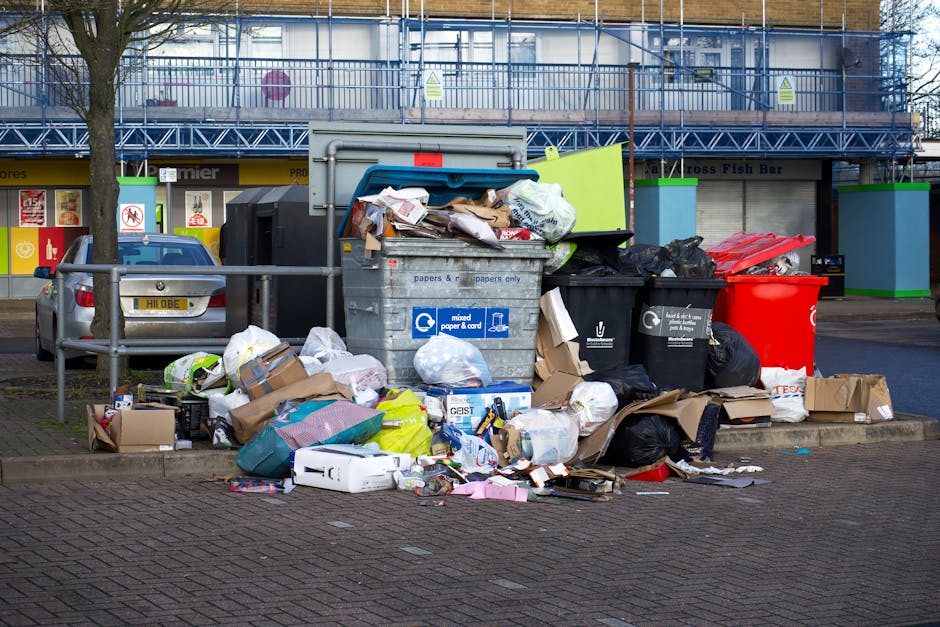
Common Mistakes to Avoid
The most expensive mistakes are usually the least dramatic ones. Not fly-tipping in a Hollywood sense. More often, it is a small shortcut that becomes a bigger headache.
- Leaving waste outside too early: Even if collection is scheduled, putting commercial rubbish out at the wrong time can lead to complaints or enforcement.
- Assuming household rules apply to business waste: They do not. The standards and responsibilities are different.
- Using the wrong collection method: A van load, skip, or bin service may each suit different waste streams.
- Ignoring recurring overflow: If your waste is always spilling over, the system is too small or too infrequent.
- Not checking contractor legitimacy: If someone offers to take your rubbish very cheaply but cannot explain where it goes, that should ring alarm bells.
- Forgetting shared building rules: Managed properties often have separate requirements for storage, timing, and access. Those can be stricter than you expect.
There is also a common commercial mistake that is a bit less obvious: booking waste removal at the same time as deliveries or refurb works. It sounds efficient. In reality, it often creates bottlenecks. If you are dealing with a shop or a flat above a shop, the timing needs thought. Our article on Upper Street rubbish removal for shops and flats is a good example of how local layout changes the plan.
And for anyone booking short-notice support, it is worth reading common mistakes when booking rubbish collection in N1 before you commit. A few minutes of caution can save a messy afternoon.
Tools, Resources and Recommendations
You do not need fancy software to manage commercial rubbish well. A good checklist, a shared calendar, and one clear owner for waste decisions are often enough. That said, a few practical tools make life much easier.
- Waste log: Keep a simple record of collection dates, contractor names, and any permit-related notes.
- Photo checks: A quick site photo before and after collection helps if a dispute comes up.
- Staff sign-off sheet: Useful for businesses with multiple shifts or cleaners.
- Storage labels: Especially helpful for mixed-use premises where bins can easily be confused.
- Booking notes: Record access issues, parking restrictions, and disposal priorities before arranging any uplift.
For businesses that need a bit more than routine bin collection, it can help to compare services before deciding. A local provider may offer recurring waste support, one-off clearances, or targeted collections for awkward items. Our pricing and quotes page is useful if you want to understand how a quotation is usually shaped, while insurance and safety is worth reading when you are handling heavier or more awkward waste.
If you care about environmental impact, keep an eye on sorting and recycling too. The recycling and sustainability approach is not just a nice extra; it often supports a cleaner site and more responsible disposal. And if your business is in a public-facing location, that matters to customers more than many owners realise. People notice when bins are neat, lids close properly, and the back area does not look like a storm has passed through.
Law, Compliance, Standards, or Best Practice
Without getting too legalistic, businesses in Islington should work on the assumption that commercial waste must be managed responsibly, traceably, and without nuisance to the public. That means no dumping, no blocking access, and no casual use of public space for storage unless the proper permission exists. If a permit is needed, obtain it before the waste is placed or the vehicle is booked. If specialist handling is required, use a suitable route for that material.
Best practice is usually a mix of three things:
- Correct identification: Know what the waste is.
- Correct permission: Know whether the activity uses public space or needs prior approval.
- Correct disposal route: Make sure the waste is collected and handled properly.
A lot of the trouble starts when people blur these lines. For example, a business may treat old stock, packaging, office furniture, and builders rubble as if they all follow the same rules. They do not. Even if the materials seem harmless, the duty to manage them properly remains. To be fair, nobody starts a business because they love paperwork about bin placement. But this part does matter, and the safest approach is usually the simplest one: plan first, place waste second.
If your premises are being reconfigured, vacated, or refurbished, the compliance question becomes more important. A little advice upfront can prevent a lot of correction later. That is especially true when access is tight or when the job needs multiple visits. A rushed decision can lead to complaints, missed removals, or a fine that feels unfair but was very avoidable.
Options, Methods, or Comparison Table
Businesses in Islington usually choose between a few practical waste-handling methods. The best fit depends on volume, timing, access, and how mixed the waste stream is.
| Method | Best for | Pros | Watch-outs |
|---|---|---|---|
| Regular commercial bin collection | Ongoing retail, hospitality, or office waste | Predictable, tidy, low effort once set up | Can overflow if the volume changes unexpectedly |
| One-off rubbish removal | Clear-outs, refurb waste, bulky items | Fast reset, flexible timing | Needs good access planning and accurate waste description |
| Skip or container placement | Large ongoing projects or heavy waste streams | Useful for volume, can be efficient on site | May involve permits or highway restrictions |
| Mixed approach | Businesses with varied waste over time | Flexible, practical for changing needs | Needs careful oversight to avoid confusion |
If you run a premises with seasonal changes, a mixed approach often works best. A retail shop may need steady cardboard and packaging removal most weeks, then a larger uplift after a display refresh or stock change. An office might need routine waste handling and a separate clearance for old desks or storage at quarter-end. The trick is matching method to reality, not to the ideal version of the business in your head. We all do that sometimes.
Case Study or Real-World Example
Imagine a small independent shop in central Islington that starts receiving larger deliveries in autumn. For months, the waste system was fine. Then boxes begin stacking up, staff tuck them beside the rear door, and one wet morning the cardboard edges soften, the pile leans, and a delivery driver has to squeeze past it. Nothing dramatic, but the whole back area feels cramped and untidy.
The owner thinks, quite reasonably, that it is only temporary. But because the business has not adjusted the waste plan, boxes keep accumulating. A neighbour complains about bags being left out too early. Someone in the team assumes another colleague will move them. Nobody does. By the time the issue is addressed, the business has had a warning, lost time, and spent longer clearing the problem than it would have taken to set up a better system in the first place.
Now compare that with a better approach. The owner reviews waste volume, changes the collection rhythm, keeps cardboard flattened, assigns one staff member to check storage at closing time, and arranges a proper uplift for the bulky surplus before it becomes an issue. The shop stays tidy. Staff stay calmer. The pavement stays clear. Nothing glamorous, but it works.
That is the real lesson with commercial rubbish in Islington. Most fines and headaches grow from delay, not from the waste itself.
Practical Checklist
Use this checklist before any collection, clearance, or waste move-out. It keeps things simple and reduces the chance of problems.
- Have I identified the waste type correctly?
- Do I know whether it is business waste, bulky waste, or specialist material?
- Will anything be placed on public land or block access?
- Do I need a permit or permission before the job begins?
- Is the collection time realistic for the road, premises, and staff flow?
- Have I told staff what to do with recyclable items?
- Are bins, bags, and items secured so they will not blow, spill, or spread?
- Have I kept notes of the collection arrangement and any special instructions?
- Will the site be checked after the job is done?
- If the waste is bulky, do I need a specialised service rather than a standard bin pickup?
If you can tick all of those off, you are already in a much better position than most rushed businesses. And if a couple of boxes are not ticked yet, no drama. Sort it before the waste is outside and you are fine.
Conclusion
Commercial rubbish rules, permits, and fines in Islington are really about one thing: keeping business waste under control in a busy, tightly used part of London. Once you understand the basics, it becomes much easier to avoid the common traps. Know your waste type. Keep it off the public highway unless you have permission. Plan access carefully. Use the right collection method. That is most of the battle.
For many businesses, the answer is not more effort, just better order. A small routine, a sensible collection plan, and the right support when things get bulky or awkward can prevent fines and reduce stress. If your premises are growing, changing, or overdue a clear-out, there is no shame in getting ahead of the mess. In fact, that is usually the smartest move.
Get a free quote today and see how much you can save.
And if you are still deciding how to handle regular waste, occasional clear-outs, or a mix of both, it is worth exploring your options early. A calm plan beats a last-minute scramble every time.



 Tipper Van - Junk Removal and Rubbish Removal Prices in Islington, N1
 Luton Van - Junk Removal and Rubbish Removal Prices in Islington, N1