Islington council rules for waste disposal and permits
Posted on 31/07/2026
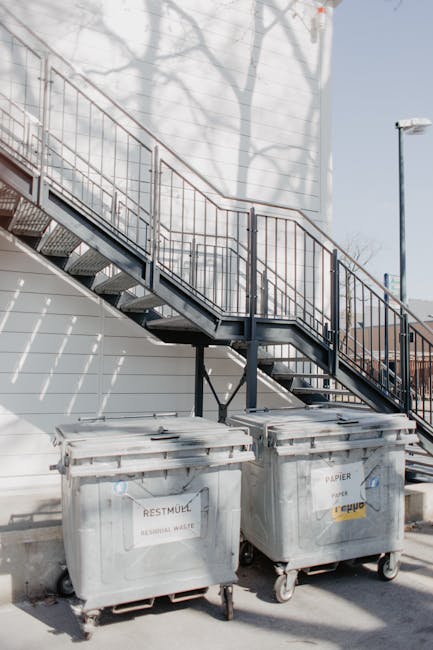
Islington council rules for waste disposal and permits: a practical guide for residents, landlords, and businesses
If you live, work, or manage property in Islington, rubbish is rarely just "rubbish". A sofa in the hallway, builder's waste outside a terrace, or a skip on a narrow street can quickly turn into a permissions issue, a collection problem, or both. That is why understanding Islington council rules for waste disposal and permits matters so much. Get it wrong and you can end up with delays, extra charges, complaints from neighbours, or waste that simply cannot be left where you planned.
This guide breaks the topic down in plain English. We'll cover what the council rules usually mean in practice, when permits may be needed, how local collection and disposal decisions are made, and how to stay on the right side of compliance without making the process harder than it needs to be. Simple enough, really - but there are a few details worth getting right.
- Why the rules matter
- How waste disposal and permits work
- Benefits of following the rules
- Who needs this guidance
- Step-by-step guidance
- Expert tips
- Common mistakes
- Tools and resources
- Law, compliance and best practice
- Options and comparison
- Real-world example
- Practical checklist
- Frequently asked questions
Why Islington council rules for waste disposal and permits Matters
Waste rules sound dull until they get in your way. Then they matter a lot. In Islington, space is tight, parking is limited, and many streets are busy from early morning to late evening. That creates a simple reality: you cannot always put waste outside, load it into a vehicle, or leave a skip on the road without thinking through access, safety, and permission.
The council's rules are there to keep pavements clear, reduce fly-tipping, protect neighbours, and make sure waste is handled responsibly. They also help prevent the classic London problems: half-filled bags blowing open, a skip blocking sightlines, or a bulky item left out "just for tonight" and still there on Friday. It happens more than people like to admit.
For households, the rules affect routine rubbish, bulky waste, garden cuttings, and clear-outs. For landlords and agents, they affect void periods, tenant move-outs, and end-of-tenancy clearances. For builders and trades, they are especially important because construction and demolition waste are a different category altogether and often need more planning.
There's also a financial side. If you need a permit, miss a collection rule, or place waste incorrectly, you may face disruption, enforcement action, or a rebooking. That is avoidable, and in most cases the fix is simple once you know what the council expects.
Expert summary: In Islington, the safest approach is to plan disposal before the waste is generated. If the job involves roadside placement, bulky items, or builder's waste, check the permit question early rather than as an afterthought.
How Islington council rules for waste disposal and permits Works
There are really two things to understand here: how waste should be presented for disposal and when a permit or permission may be needed. They are related, but not the same.
First, disposal rules usually cover where waste may be stored before collection, what type of waste is accepted, how it should be separated, and whether items need to be bagged, bundled, or kept accessible. Food waste, general household waste, recyclables, bulky items, garden waste, and builder's waste are often treated differently. That distinction matters.
Second, permits usually come into play when waste has to occupy public space or when a vehicle, skip, or container needs a temporary position that affects roads, footways, or parking bays. If a skip is going on the street, or if a vehicle needs to stop in a restricted area for loading, there may be permission requirements. The exact rules depend on the type of job, the location, and the access conditions on the day.
In practical terms, this often means:
- checking whether the waste can be collected from private property rather than public land;
- confirming whether the item class is accepted in normal household disposal;
- deciding whether a skip, skip bag, van, or manual load-out is most suitable;
- planning for access, timing, and any parking or highway restrictions;
- making sure the waste is transferred to an authorised disposal route.
If you are using a professional waste clearance service, they should help guide the process and tell you whether access, loading, or permit arrangements need to be sorted first. That is one of the reasons a proper service overview is worth reading before you book anything major.
For bigger jobs, especially building work or property clear-outs, it is sensible to think beyond the bin. A small kitchen removal, for example, may need very different handling from a full strip-out, and the permit question becomes more relevant when there is a van, skip, or container on a public road.
Key Benefits and Practical Advantages
Following the rules is not just about avoiding trouble. Done properly, it makes the whole job faster, cleaner, and less stressful. That is especially true in Islington, where narrow roads and busy pavements can turn a small mistake into a logistical headache.
Here are the main benefits:
- Fewer delays: You are less likely to be turned away, rescheduled, or asked to move the waste at short notice.
- Better safety: Proper placement reduces trip hazards, blocked access, and awkward lifting situations.
- Lower risk of extra charges: Clear planning helps avoid avoidable add-ons linked to access issues or last-minute changes. See also how hidden charges can creep into rubbish jobs.
- Cleaner neighbour relations: No one loves a pavement cluttered with bags, boxes, or broken furniture at 7am.
- More predictable scheduling: The more clearly the disposal route is planned, the easier it is to estimate time and labour.
- Better compliance: You are more likely to keep within local expectations and general UK waste handling standards.
There is also a subtle but real advantage: you make decisions sooner. And once you have made the decision, the rest tends to follow neatly. Need the waste gone before a sale? Moving out? Renovating? Hosting guests? A tidy plan saves a lot of faff.
If you are weighing different services, it can help to compare the job type first. For example, house clearance is a very different proposition from office clearance, and both differ again from builders waste disposal.
Who This Is For and When It Makes Sense
This guidance is for almost anyone who has to move waste in Islington, but a few groups need it more than others.
- Homeowners and tenants clearing bulky household items, rubbish after decorating, or accumulated clutter.
- Landlords and letting agents who need a flat emptied quickly between tenancies.
- Shop owners and hospitality businesses dealing with packaging, fixture replacements, stock disposal, or regular waste movement. Local streets like Upper Street can be especially sensitive to access and timing, as noted in this guide for shops and flats.
- Builders and contractors who generate rubble, timber, plasterboard, or mixed construction waste.
- Estate sellers preparing a property for viewings, photos, or completion day. If that is you, selling your house in Islington is worth reading alongside this guide.
- People moving home who need to avoid last-minute pile-ups in hallways and front gardens.
It makes sense whenever waste leaves the ordinary "bin day" category. If you are asking yourself, "Do I need to plan this properly or can I just leave it outside?", the answer is usually to plan properly. Not because everything is complicated, but because public space and waste do not mix casually.
And if you live in a flat, shared building, or conservation-heavy street layout, the access angle becomes even more important. For a realistic look at those awkward cases, this article on access problems is genuinely useful.
Step-by-Step Guidance
If you want to handle waste disposal and permits without stress, work through the job in a sensible order. Rushing at the last minute is where most problems start.
- Identify the waste type. Household rubbish, furniture, green waste, electrical items, and builders' waste all need different treatment. Don't lump everything together and hope for the best.
- Decide where the waste will sit before collection. Private land, shared access, front garden, loading area, or street-side placement all have different implications.
- Check access conditions. Think about stairs, narrow corridors, controlled parking, low bridges, timed restrictions, and whether the vehicle can stop safely.
- Ask whether a permit or permission may be needed. This is most likely where a skip, large container, or temporary roadside occupation is involved.
- Separate what can be reused or recycled. This can reduce disposal complexity and, in some jobs, the amount of waste that needs to be transported.
- Choose the right removal method. Manual load, van collection, clearance team, skip, or specialist service all suit different jobs.
- Confirm timing and preparation. Make sure doors are open, items are accessible, and residents or staff know what is happening.
- Keep records if the job is commercial. Businesses often need clearer documentation than households, especially where duty of care matters.
That process sounds long written out, but in reality it is mostly common sense with a bit of planning. The key is to ask the right question early: "What does this waste need to make the move legally and efficiently?"
For routine domestic work, a service such as waste clearance in Islington may be enough. For more specific needs, garden waste removal can help with green waste, while a broader rubbish removal service may suit mixed loads.
Expert Tips for Better Results
Here are the practical habits that make a real difference, especially in dense parts of Islington where space is tight and timing matters.
- Measure the bulky stuff. A wardrobe, fridge, or bed frame can look manageable until you try to turn it in a staircase. Funny how that works.
- Photograph the access route. A quick picture of the hallway, doorway, or parking area can save everyone time.
- Sort out the obvious obstacles first. Move bikes, prams, planters, and boxes before the team arrives.
- Plan collections around neighbours. Early mornings can be fine for access, but not always for noise. A little consideration goes a long way.
- Keep waste dry where possible. Rain makes cardboard heavier and messier. London weather will, of course, do its own thing.
- Be honest about the volume. Underestimating is one of the fastest ways to create delays.
- Match the method to the waste. A builder's skip is not the same as a household clearance, and trying to force the wrong solution rarely ends well.
One small but useful habit: create a staging area before collection day. Even a small, tidy corner can help separate keep, recycle, and dispose piles. It sounds a bit basic, but it saves time when the van arrives and the light is fading at the end of a winter afternoon.
Also, if you are comparing service types, the practical differences are easier to see when you read service pages side by side. For example, the needs of an office clearance are often more about speed and accessibility, while a house clearance may involve more sorting and more varied items.

Common Mistakes to Avoid
Most problems are surprisingly ordinary. Nothing dramatic. Just small oversights that snowball.
- Assuming roadside placement is fine. If waste, a skip, or a vehicle will sit on the public highway, permission may be involved.
- Leaving waste out too early. A bag put out "the day before" can become an obstruction, or simply disappear into the wrong hands.
- Mixing unsuitable materials. Construction waste, electricals, and household waste do not always travel the same route.
- Ignoring access details. A van may not fit where you think it will, particularly around narrower N1 streets.
- Not checking for special items. Mattresses, fridges, hazardous materials, or heavy demolition debris may need extra handling.
- Forgetting who owns the responsibility. If you produce the waste, you remain responsible for making sure it goes somewhere proper.
- Booking without a contingency. If there is a lockable gate, a parking issue, or a lift outage, the job can become slower than expected.
One of the most common headaches is the "we thought it would be quick" problem. That is fair enough, but not always realistic. If you want to avoid that trap, read common mistakes when booking rubbish collection in N1 before you lock anything in.
Another classic is treating delays as somebody else's fault when the real issue is missing information. A tiny detail, like a bollard or loading restriction, can change the whole plan. See also how delays and cancellations are explained in local rubbish work.
Tools, Resources and Recommendations
You do not need a huge toolkit to stay organised. A few practical things are enough.
- A phone camera to photograph waste piles, access routes, or any awkward restrictions.
- A tape measure for bulky items, doorways, stair turns, or storage spaces.
- Basic labels or sticky notes for keeping items grouped into keep, recycle, donate, and dispose.
- A shortlist of service pages so you can compare the right option quickly, such as builders waste disposal or garden waste removal.
- A written note of access details for the collection team: gate codes, parking constraints, concierge rules, or stair access.
If you want to understand broader service choices and how they are structured, the services overview and our services pages are useful starting points. If you care about responsible disposal and recycling outcomes, the recycling and sustainability page adds helpful context too.
For buyers, sellers, and movers, local-area reading can help you understand the practical rhythm of the borough. The posts on Islington real estate and living in Islington both give a feel for why waste planning here deserves a bit of attention.
Law, Compliance, Standards, or Best Practice
When waste disposal or permits are involved, the safest mindset is to treat the job as a compliance task, not just a clearance task. In the UK, businesses and households are expected to handle waste responsibly, avoid fly-tipping, and use appropriate disposal routes. Where a permit, licence, or permission is required, it should be sorted before the work begins.
For practical best practice, that usually means:
- keeping waste on private land unless there is clear permission for public placement;
- using suitable containers and vehicles for the waste type;
- separating reusable, recyclable, and residual materials where practical;
- making sure any waste transfer is handled by an appropriate, accountable operator;
- recording the arrangement clearly if the job is commercial or multi-party.
The main legal idea is simple: the person creating the waste cannot wash their hands of it just because it has left the building. That is why care at the planning stage matters so much. You do not need to become a legal expert, but you do need enough clarity to know when to stop and check.
For customers who value transparency in how services are handled, the site's supporting pages such as terms and conditions, payment and security, and insurance and safety help set expectations. That kind of clarity is a good sign, to be fair.
Options, Methods, or Comparison Table
Different waste jobs need different methods. Here is a simple comparison to help you choose the most sensible route.
| Method | Best for | Typical advantages | Watch-outs |
|---|---|---|---|
| Bagged household collection | Everyday domestic rubbish and light clear-outs | Simple, familiar, minimal planning | Not suitable for heavy, bulky, or restricted items |
| Van-based rubbish removal | Mixed waste, furniture, and quick one-off jobs | Flexible, fast, often ideal for tight streets | Access and loading time must be checked carefully |
| Skip hire | Building work, renovations, and larger volumes | Useful for ongoing projects and heavier waste | May require permission if placed on public land |
| House or office clearance | Whole-property or room-by-room clear-outs | Good for larger, more complex jobs | Needs sorting, access planning, and clear communication |
| Garden waste removal | Cuttings, branches, soil, and green waste | Keeps outdoor work separate and tidy | Wet or bulky green waste can be heavier than expected |
In real life, the "best" method is often the one that matches the street, the item type, and the deadline. A row-house clearance near a busy road is not the same as a rear-garden tidy-up, and that matters more than people think.
Case Study or Real-World Example
Let's take a straightforward example. A flat in Islington is being prepared for new tenants. The outgoing occupier leaves behind a mattress, a broken wardrobe, several bin bags, and a few bits of random kitchen clutter. Nothing dramatic. But the building has a narrow entrance, limited on-street space, and a shared hallway that residents use all day.
If someone tries to leave everything outside for later, the hallway becomes cluttered, neighbours complain, and the collection may be delayed. If they book the job properly, the team can assess access, decide whether a van-based clearance is suitable, and remove everything in one visit. If a permit or parking arrangement is needed, that can be checked beforehand rather than discovered at the kerbside.
The difference is not just administrative. The second approach feels calmer. Someone opens the door, the items are moved safely, the corridor stays clear, and everyone gets on with their day. That is the real value of planning waste disposal correctly. No drama, no waiting around by the window wondering when the van will turn up.
For larger property moves or post-sale clearances, readers often also find local area planning helpful, because access and timing can matter just as much as the waste itself.
Practical Checklist
Use this checklist before collection day. It keeps the job moving and reduces the chance of surprises.
- Confirm the waste type and roughly how much there is.
- Check whether anything needs special handling.
- Decide where the waste will be staged.
- Review access for stairs, doors, parking, and loading.
- Ask whether a permit, parking arrangement, or permission is likely to be needed.
- Separate recycle, reuse, and disposal items where practical.
- Clear a route from the waste area to the exit.
- Make sure someone is available to answer access questions on the day.
- Double-check timing, especially if the job must happen before moving day or a handover.
- Keep the contact details and booking notes somewhere easy to find.
Quick takeaway: if the waste has to go near the road, through a tight entrance, or out of a busy building, assume there is a planning question to answer. Sometimes the question is minor. Sometimes it saves the whole job.
If you want a simpler next step, review the available service options and pricing details, then choose the approach that fits the job size and access conditions best. A little prep now can spare a lot of stress later. And honestly, that is usually the difference between a tidy afternoon and a frustrating one.
Get a free quote today and see how much you can save.
Conclusion
Islington council rules for waste disposal and permits can look more complicated than they are. In most cases, the main job is to think ahead: identify the waste, understand where it will be placed, check whether public space is involved, and choose a disposal method that suits the street as well as the load.
When you do that, everything becomes easier. The waste moves faster, neighbours are less likely to be bothered, and you reduce the risk of delays or awkward surprises. That is particularly useful in a borough like Islington, where access can be tight and every metre of pavement matters a bit more than it would elsewhere.
If you are dealing with a one-off clear-out, a move, a renovation, or a business disposal plan, the best outcome usually comes from calm preparation rather than last-minute improvising. Not glamorous, but effective. And sometimes that is exactly what you want.
One small step at a time is enough. Get the plan right, and the rest tends to follow.



 Tipper Van - Junk Removal and Rubbish Removal Prices in Islington, N1
 Luton Van - Junk Removal and Rubbish Removal Prices in Islington, N1